Citizen Science
Discover How You Can Contribute to Research
You can be a scientist! Citizen science is research done by everyday people, anytime and anywhere, to help answer questions scientists can’t answer alone. The Network of the National Library of Medicine (NNLM), an education and outreach program of the National Library of Medicine (NLM), has partnered with SciStarter to help you answer questions about human and environmental health. The Library and Community Guide to Citizen Science will get you started. Then visit SciStarter to find projects to help your community explore the impact of the environment on everyone's health.
Discover MedlinePlus
MedlinePlus is a service of the National Library of Medicine, the largest biomedical library in the world. Use MedlinePlus.gov anywhere, anytime, on any device - for free - to discover high-quality health and wellness information that is reliable, easy to understand, and free of advertising, in both English and Spanish.
Find information on ways you might partner for discovery in medical science.
Discover NIH
 The National Institutes of Health (NIH) is the nation’s leading medical research agency making important discoveries that improve health and save lives. NIH is made up of 27 Institutes and Centers, each with a specific research agenda, often focusing on particular diseases or body systems
- National Institute for Environmental Health Sciences (NIEHS) has a mission to discover how the environment affects people in order to promote healthier lives. Take part in their mission with their Health & Education materials.
- National Institute of General Medical Sciences (NIGMS) supports basic research that increases understanding of biological processes and lays the foundation for advances in disease diagnosis, treatment, and prevention. Explore their Science Education resources.
Discover More
Citizen Science projects can improve scientific literacy.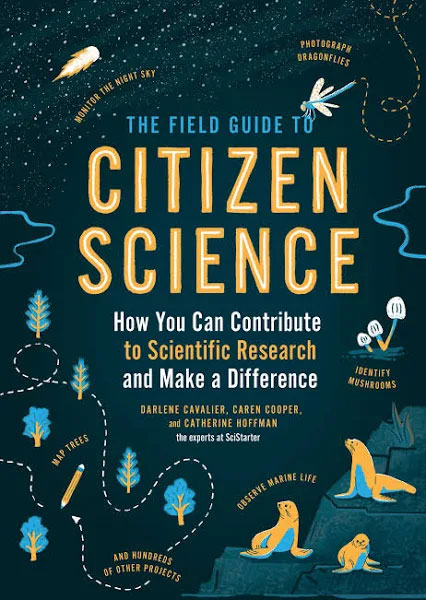
The Field Guide to Citizen Science: How You Can Contribute to Scientific Research and Make a Difference | Darlene Cavalier, Catherine Hoffman, and Caren Cooper | Timber Press | 2020 | 188 pages | ISBN 978-1604698473 | WorldCat
Community libraries can serve as a hub for citizen science by mobilizing patrons to collect data and spread the word about their efforts, and participants can develop a deeper understanding of scientific and health literacy through their active involvement in the scientific process.
CDC is leading a national effort to maintain and expand the Tracking Program with support from federal partners, national organizations, recipients, and other key groups. These partnerships enhance CDC’s ability to:
- Build a sustainable National Environmental Public Health Tracking Network
- Enhance environmental public health tracking workforce and infrastructure
- Disseminate information to guide policy, practice, and other actions to improve the nation’s health
- Advance environmental public health science and research
- Foster collaboration among public health and environmental programs
CitizenScience.gov is an official government website designed to accelerate the use of crowdsourcing and citizen science across the U.S. government. The site provides a portal to three key components: a catalog of federally supported citizen science projects, a toolkit to assist federal practitioners with designing and maintaining their projects, and a gateway to a community of hundreds of citizen science practitioners and coordinators across government as called for in the Crowdsourcing and Citizen Science Act of 2016 (15 USC 3724). You can learn more about the activities of the Federal Community of Practice on Crowd Sourcing and Citizen Science in this two-page overview document.
Science Friday has teamed up with Flu Near You to recruit a national team of everyday citizens, you, to build a real-time map of the rise and fall of influenza-like illness in the United States. It’s as simple as reporting how you feel each week.
Participatory Science for Environmental Protection engages the public in advancing scientific knowledge by formulating research questions, collecting data, and interpreting results. Other terms include citizen science, community science, volunteer monitoring, or public participation in scientific research. EPA supports these initiatives through a range of resources including funding, technical support, and tools.
Partnerships for Environmental Public Health is a network that brings together scientists, community members, educators, health-care providers, public-health officials, and policy makers in advancing the impact of environmental public-health research at the local, regional, and national level.
Air Quality Monitoring for Citizen Science
Kids Environment Kids Health Engage young citizen scientists with the National Institute of Environmental Health Sciences (NIEHS) resource for kids, parents, and teachers to find fun and educational materials related to health, science, and the environment we live in today.
Featured Books
-
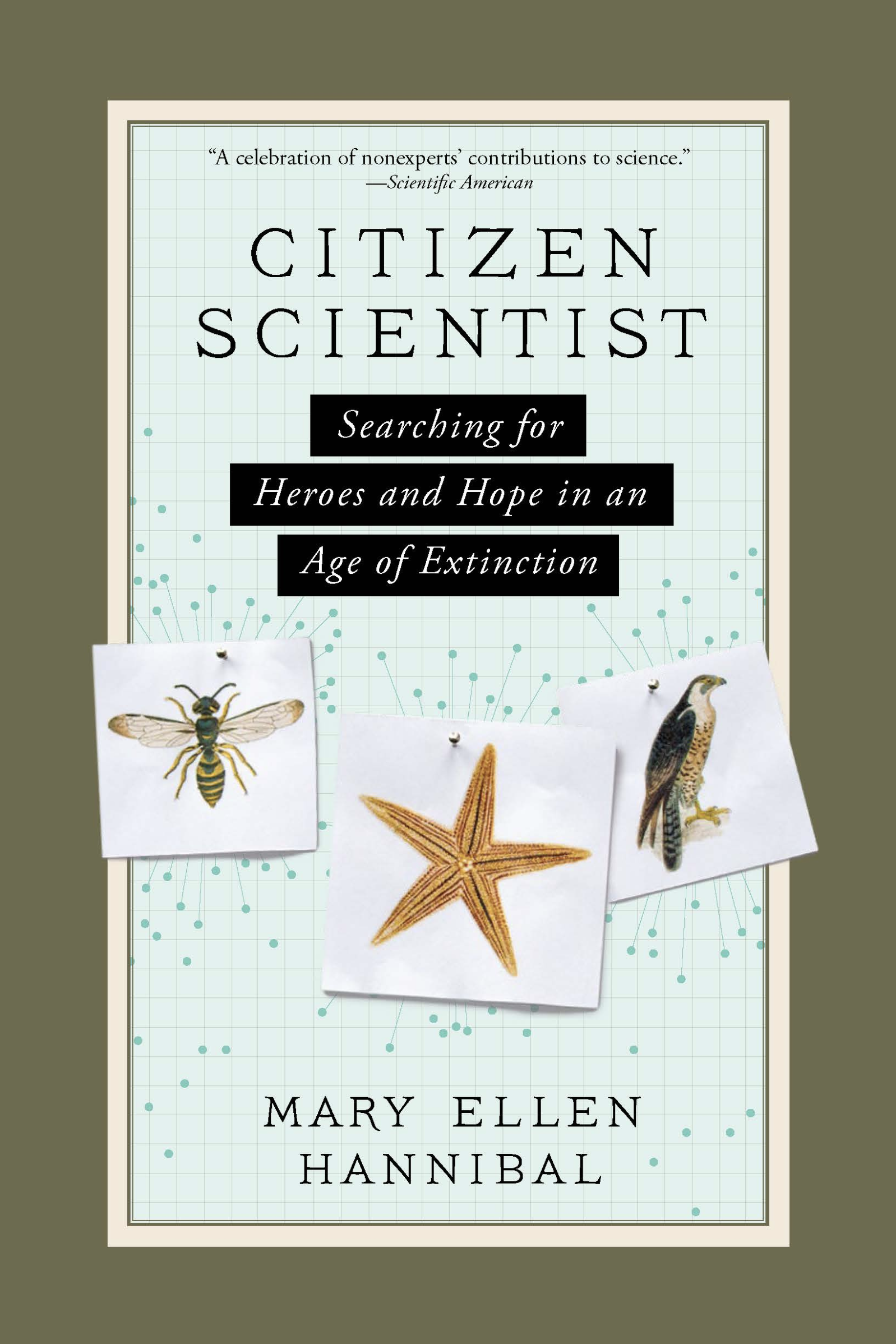
Title: Citizen ScientistPublisher The ExperimentYear published 2017Book image
-
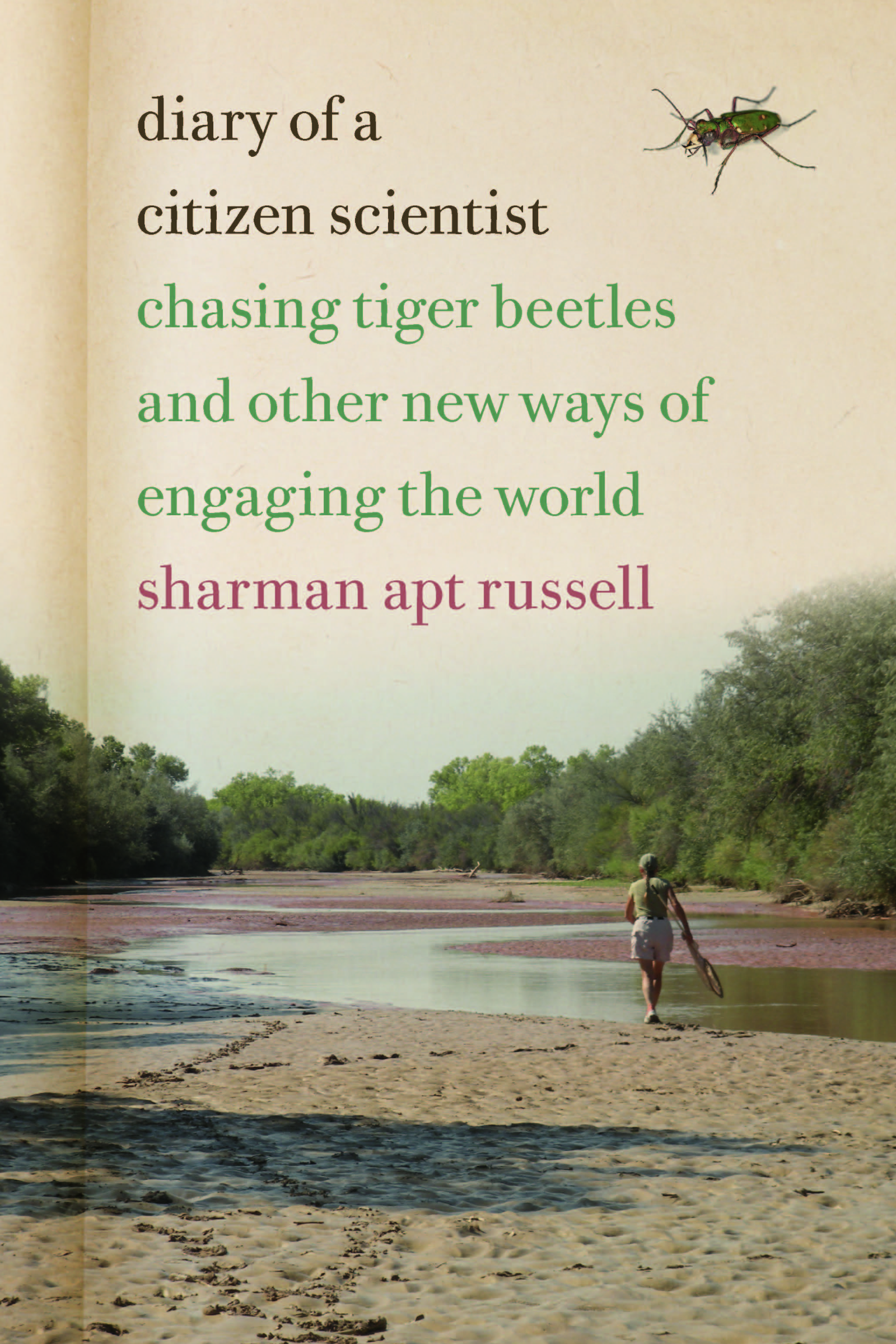
Title: Diary of a Citizen ScientistPublisher Oregon State University PressYear published 224Book image
-
Title: The Crowd & the CosmosPublisher Oxford University PressYear published 2020Book image